Summary:
Identifying a Healthy Tree
A genuinely healthy tree often displays a few clear signs. Firstly, look at the leaves; they should generally appear full and have a color consistent with the season and the tree species. While some spots or minor imperfections are normal, widespread discoloration or-sized leaves can be a warning. Secondly, observe the branches. Strong, sturdy branches that show signs of new growth each year suggest vitality. You should see minimal dead or broken limbs. The trunk itself should be solid, without large cracks, deep splits, or areas of peeling bark that reveal dead wood underneath. Consider the overall growth pattern – a healthy tree typically grows steadily year after year. In Lehigh County, with its distinct seasons, these changes should follow a predictable cycle. Proper tree care, including occasional tree trimming, helps maintain this condition. If you start noticing things that don’t fit this picture, it might be worth investigating further.
Signs Your Tree May Need Attention
Sometimes, trees send out signals when they aren’t doing well. If you see leaves turning yellow or brown before autumn, or if they look scorched or spotted, it could indicate a problem. Branches that seem weak, break easily, or have no leaves when others do are another red flag. Look closely at the trunk and base for mushrooms or other fungal growth, as this often points to decay inside the tree. These symptoms might suggest that tree pruning is necessary to remove affected areas, or in more serious cases, tree removal might be the safest option. Lehigh County’s weather can be unpredictable, and storms can weaken or damage trees, making emergency tree service a necessity to address immediate risks. Spotting these signs early allows for quicker intervention.
Common Tree Health Problems
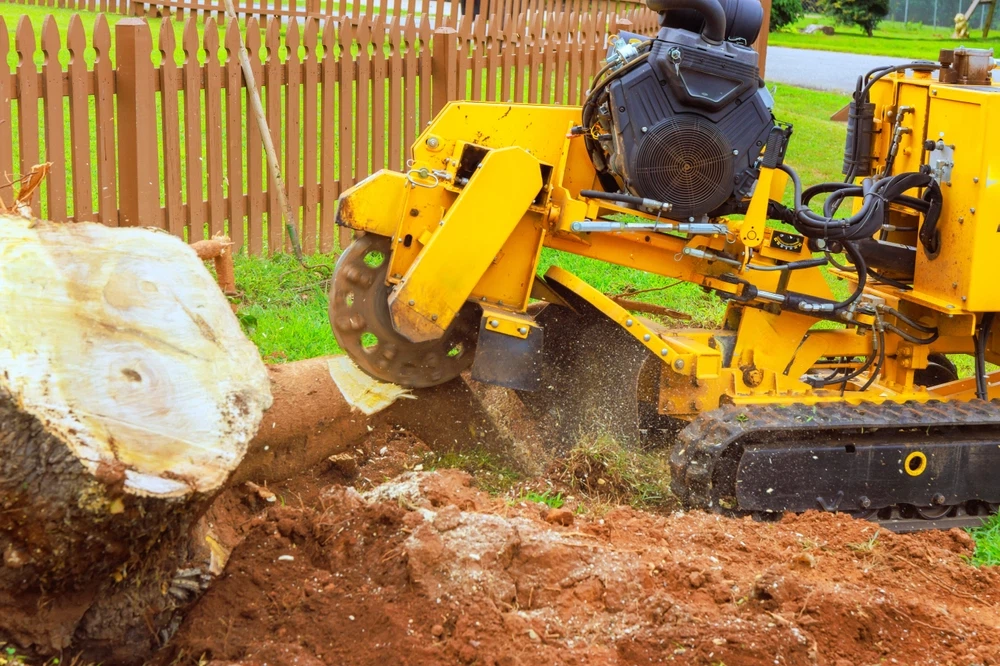
Several factors can negatively impact tree health. Pests like borers or aphids can weaken a tree by feeding on its leaves or wood. Diseases, often caused by fungi or bacteria, can lead to wilting, cankers, or rot. Environmental stress, such as drought, soil compaction, or construction damage near the roots, also takes a toll. Keep an eye out for holes in the bark, sawdust-like material (frass) at the base, thinning canopy, or unusual growths. When a tree succumbs to these issues, services like stump grinding and stump removal are often required after the main part is taken down. A professional assessment helps identify the specific problem and decide on the most suitable action.
Professional Tree Services in Lehigh County
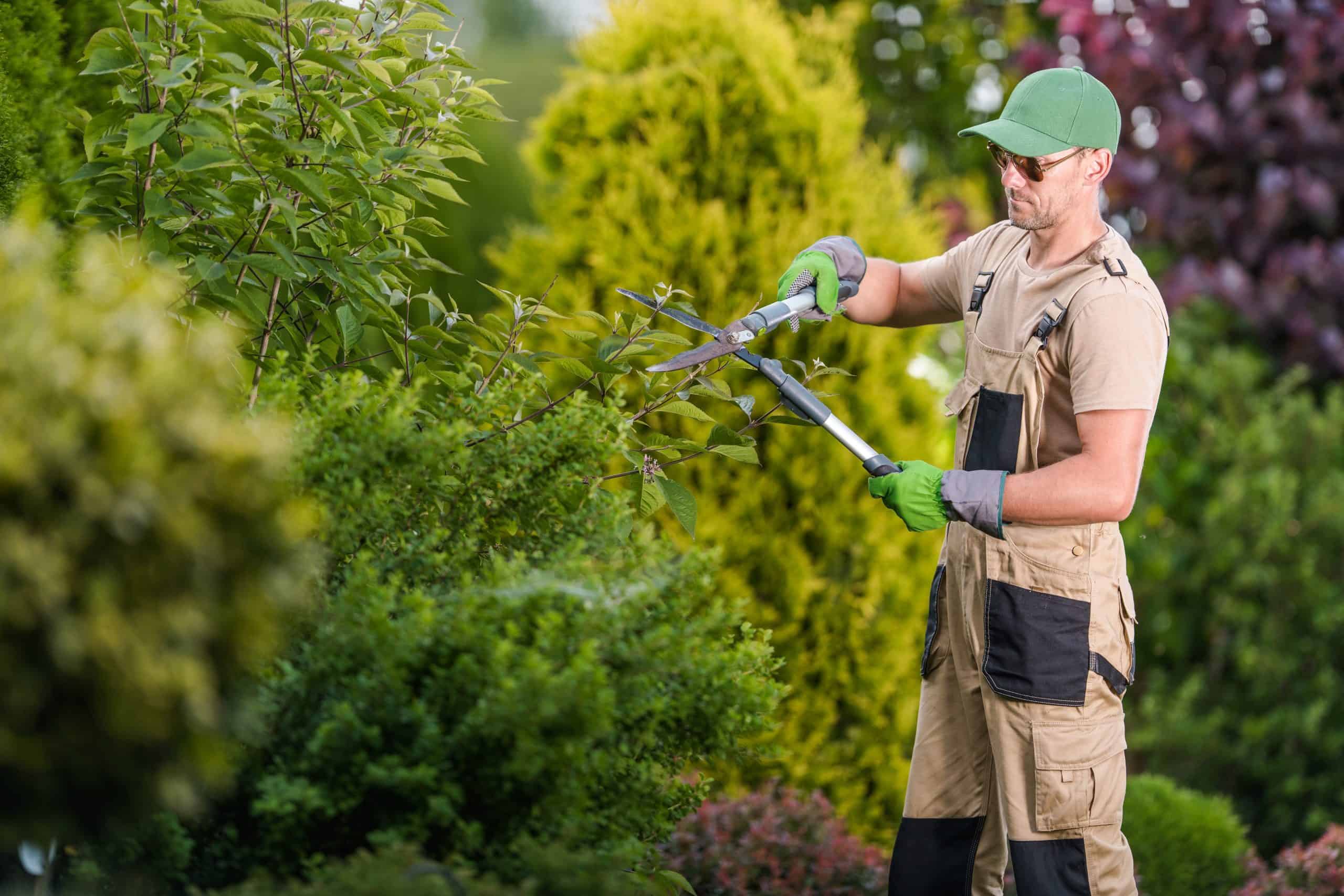
When you face tree concerns in Lehigh County, ABE Tree Service offers a variety of solutions. Managing tree health often involves skilled tree trimming to remove dead or overgrown branches, improving structure and light penetration. Tree pruning is a more specific technique focused on shaping the tree and encouraging healthy growth. If a tree becomes hazardous or needs to be cleared for other reasons, tree cutting and tree removal are handled methodically. After removal, stump grinding and stump removal clear the ground. For larger projects, land clearing prepares areas for new uses, while brush removal tidies up overgrown spaces. An arborist can even assist with tree planting to add new life to your yard. If sudden storm damage occurs, ABE Tree Service provides emergency tree service to address urgent situations.

The Role of an Arborist and Their Techniques
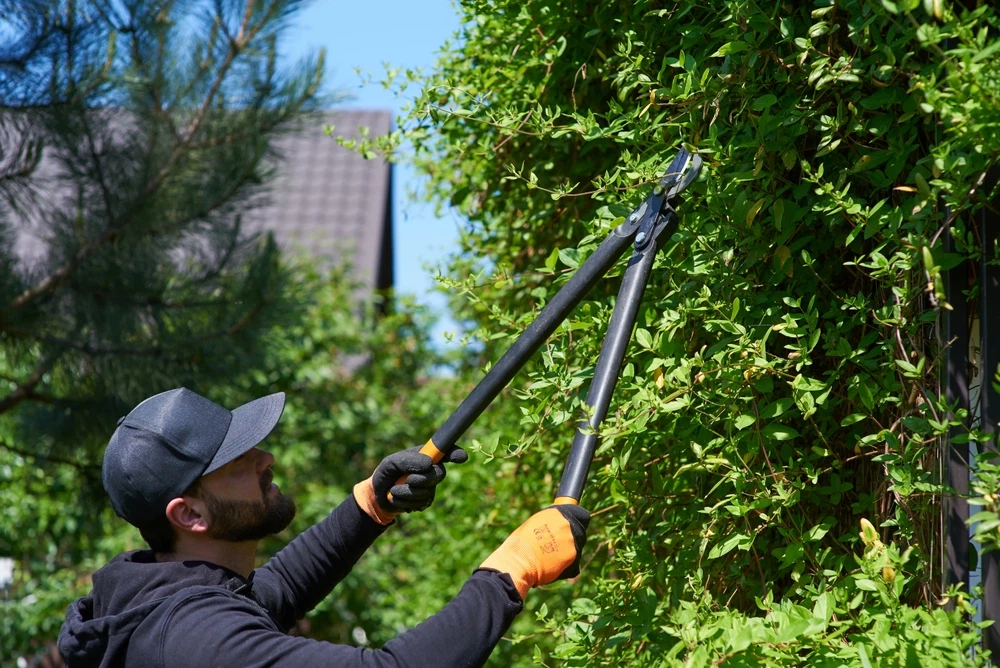
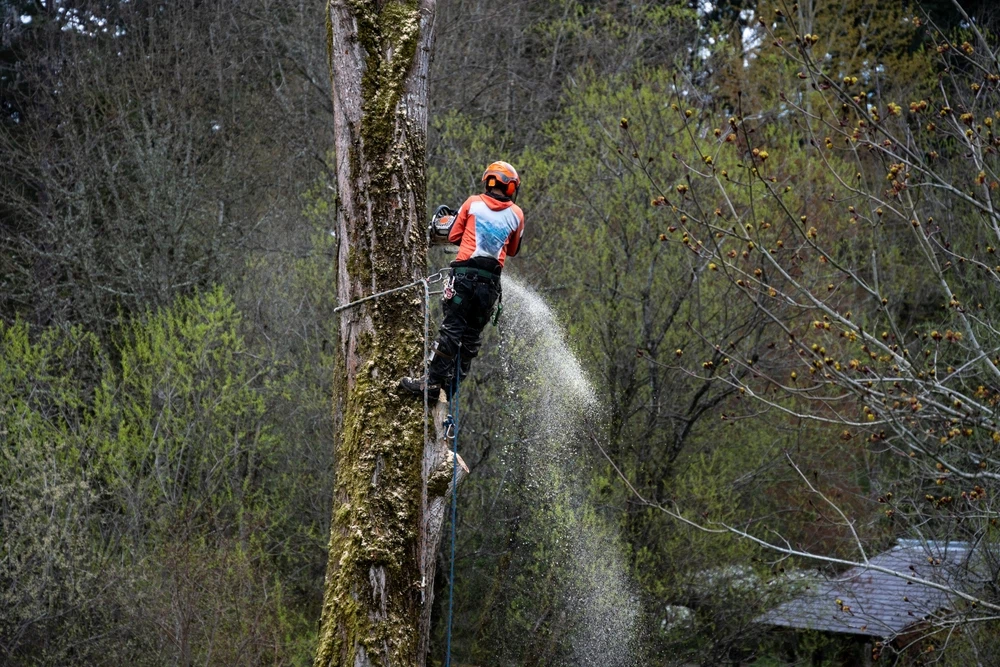
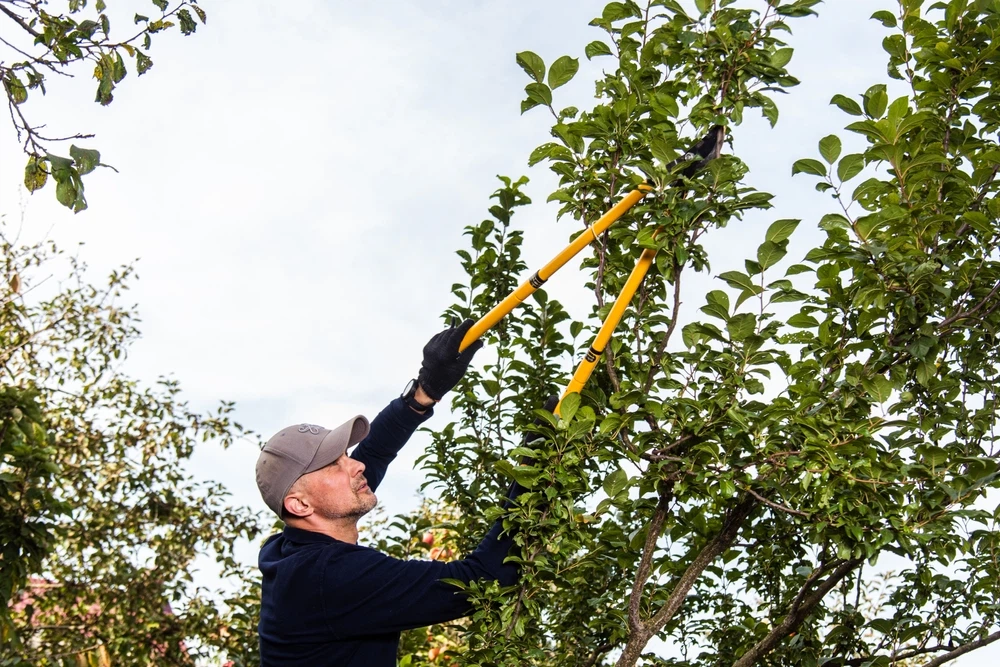
An arborist is a specialist in tree care. Think of them as a doctor for trees. They have studied how trees grow, how to identify illnesses or structural weaknesses, and how to treat them. When an arborist from ABE Tree Service visits your Lehigh County property, they perform a detailed assessment. They use techniques like visual inspection, sometimes using binoculars to see high branches, and sounding mallets to check for decay in the trunk. For tree trimming and tree pruning, they use specialized tools like hand saws, pole pruners, and chainsaws, making precise cuts (like the 3-cut method) to protect the tree’s collar and promote healing. For large removals, they employ rigging systems with ropes and pulleys to lower sections carefully, especially near structures. They also operate equipment like bucket trucks for access and wood chippers for processing debris.
When to Consider Tree Removal
Deciding on tree removal isn’t always easy, but sometimes it is the necessary choice. A primary reason is safety. If a tree is significantly decayed, has large cavities, shows signs of leaning heavily (especially towards a house or power line), or has major root damage, it could pose a serious risk. Another reason is if the tree is dead or dying and cannot be revived. Sometimes, a tree might be causing damage to foundations or utility lines, or it might need to be cleared as part of a land clearing project. ABE Tree Service can help you weigh the options, considering whether careful tree pruning can mitigate risks or if removal is the most responsible action for your Lehigh County property.
Keeping Your Lehigh County Trees Vibrant
Paying attention to your trees and providing regular tree care is an investment in your property’s value and safety. By learning to spot the early signs of trouble, you can often address issues before they become major problems. For everything from routine tree trimming and stump removal to urgent emergency tree service, ABE Tree Service is here to assist homeowners in Lehigh County. Our arborist team can help you understand your trees’ needs and provide the services required to keep them flourishing or handle them safely when necessary. Contact us today to discuss your trees and learn how we can help.