Summary:
Why Storm Season Tree Trimming Matters in Pennsylvania
Pennsylvania’s summer storm season brings unique challenges that many property owners underestimate. The combination of mature tree canopies and sudden severe weather creates perfect conditions for property damage.
Recent weather data shows storms regularly produce straight-line winds of 60-70 mph across the Lehigh Valley. These aren’t tornado conditions—they’re the “normal” severe weather that hits our area multiple times each summer. When these winds hit unprepared trees, the results are predictable and expensive.
Your trees become liability risks when they’re not properly maintained. Pennsylvania law holds property owners responsible for tree damage when they knew or should have known about hazardous conditions. That dead branch you’ve been meaning to address? It’s not just an eyesore—it’s a legal and financial risk waiting to happen.
How Summer Storms Damage Unprepared Trees
Storm damage to trees follows predictable patterns, and understanding these patterns helps you prepare effectively. The most common failure points are weak branch unions, dead or diseased wood, and overcrowded canopies that catch wind like sails.
Heavy foliage creates what arborists call “sail effect”—your tree’s leaves and branches catch wind like a ship’s sail, multiplying the force applied to the trunk and root system. Trees with dense, unpruned canopies are essentially giant wind catchers during storms. Professional tree trimming reduces this sail effect by selectively removing branches and thinning the canopy, allowing wind to pass through rather than against the tree.
Dead branches become projectiles during storms. Even small dead limbs can cause significant damage when propelled by 60 mph winds. These branches often break at unpredictable angles, making their trajectory impossible to predict. Regular deadwood removal eliminates these hazards before they become problems.
Root systems also play a crucial role in storm resistance. Trees with compromised root systems—often due to construction damage, soil compaction, or disease—are more likely to uproot entirely during storms. While you can’t always see root problems, certified arborists can assess tree stability and recommend appropriate action.
The aftermath of storm damage extends beyond immediate property damage. Insurance claims, emergency tree removal, and property repairs often cost significantly more than preventive tree trimming. Emergency tree service during storm season also comes at premium pricing when demand is highest and availability is lowest.
Signs Your Trees Need Professional Attention Before Storm Season
Storm damage to trees follows predictable patterns, and understanding these patterns helps you prepare effectively. The most common failure points are weak branch unions, dead or diseased wood, and overcrowded canopies that catch wind like sails.
Heavy foliage creates what arborists call “sail effect”—your tree’s leaves and branches catch wind like a ship’s sail, multiplying the force applied to the trunk and root system. Trees with dense, unpruned canopies are essentially giant wind catchers during storms. Professional tree trimming reduces this sail effect by selectively removing branches and thinning the canopy, allowing wind to pass through rather than against the tree.
Dead branches become projectiles during storms. Even small dead limbs can cause significant damage when propelled by 60 mph winds. These branches often break at unpredictable angles, making their trajectory impossible to predict. Regular deadwood removal eliminates these hazards before they become problems.
Root systems also play a crucial role in storm resistance. Trees with compromised root systems—often due to construction damage, soil compaction, or disease—are more likely to uproot entirely during storms. While you can’t always see root problems, certified arborists can assess tree stability and recommend appropriate action.
The aftermath of storm damage extends beyond immediate property damage. Insurance claims, emergency tree removal, and property repairs often cost significantly more than preventive tree trimming. Emergency tree service during storm season also comes at premium pricing when demand is highest and availability is lowest.
Professional Tree Trimming Techniques for Storm Preparation
Effective storm preparation tree trimming goes far beyond simply cutting branches. We use specific techniques designed to improve tree structure, reduce wind resistance, and maintain tree health.
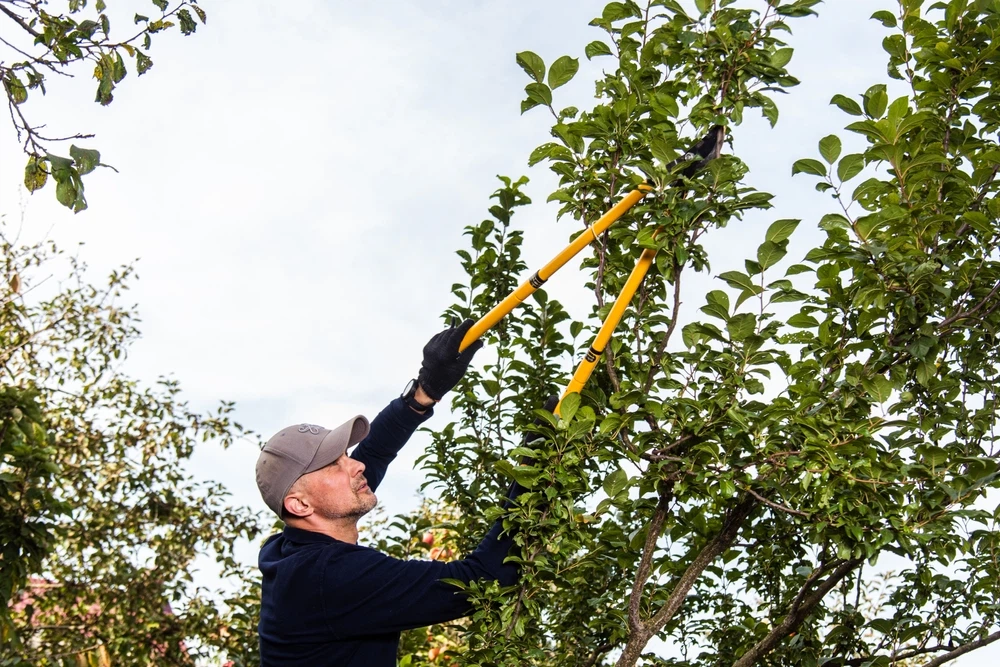
Crown thinning is the primary technique for reducing wind resistance. This involves selectively removing branches throughout the canopy to allow wind to pass through rather than against the tree. Proper crown thinning maintains the tree’s natural shape while reducing the sail effect that makes trees vulnerable to wind damage.
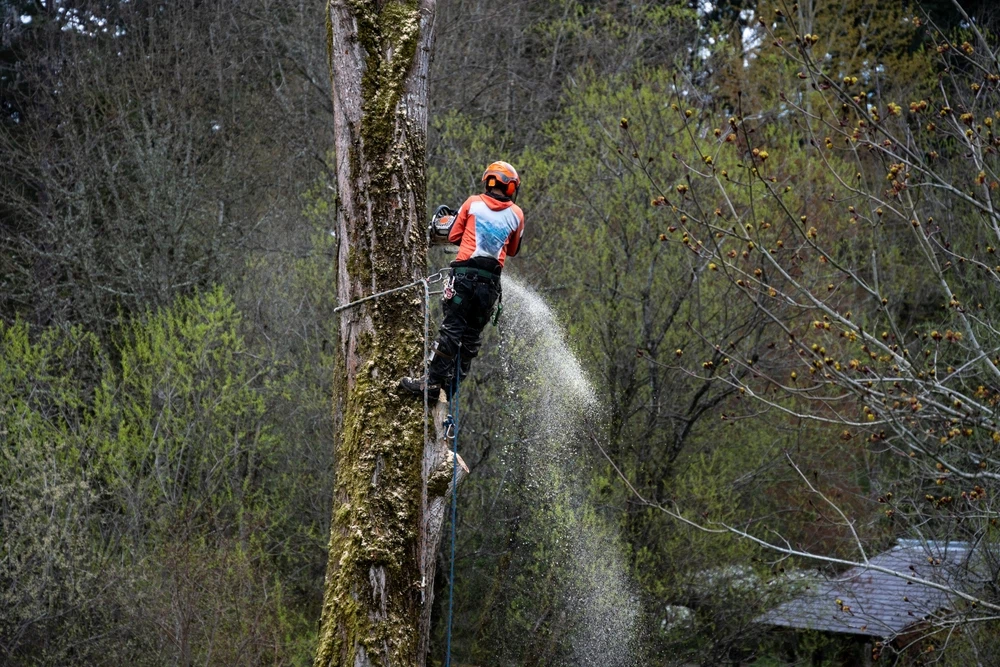
Deadwood removal eliminates the most immediate hazards. We identify and remove dead, dying, or diseased branches that could become projectiles during storms. This process requires expertise to distinguish between dead wood and live branches that may appear unhealthy due to seasonal changes or environmental stress.
When to Schedule Tree Trimming for Maximum Storm Protection
Timing your tree trimming makes a significant difference in both effectiveness and cost. The best time for storm preparation tree trimming is during the tree’s dormant season, typically late fall through early spring, before new growth begins.
Winter trimming offers several advantages for storm preparation. Trees are dormant, making it easier to see the tree’s structure without leaves obscuring the view. This improved visibility allows us to make more precise cuts and better assess the tree’s overall condition. Winter trimming also reduces stress on the tree, as it’s not actively growing and doesn’t need to immediately respond to pruning cuts.
However, emergency situations don’t wait for ideal timing. If you identify serious hazards during growing season, don’t postpone necessary work. The risk of waiting often outweighs the benefits of optimal timing. We can perform necessary work year-round when safety is a concern.
Planning ahead saves money and ensures availability. Storm season brings high demand for tree services, often resulting in higher prices and longer wait times. Scheduling your tree trimming during off-peak times typically results in better pricing and more flexible scheduling options.
Consider your local weather patterns when planning tree work. In Lehigh County, severe weather season typically runs from late spring through early fall. Having your trees professionally trimmed before this period provides maximum protection when you need it most.
Emergency Tree Service: What to Expect When Storms Hit
Despite the best preparation, storms sometimes cause tree damage that requires immediate professional attention. Understanding what to expect from emergency tree service helps you respond effectively when time is critical.
Safety is the first priority in any tree emergency. Never attempt to remove trees or large branches that are in contact with power lines, structures, or blocking critical access routes. We have the equipment and training to handle these dangerous situations safely.
Response times during major storm events vary based on the severity and scope of damage. We typically prioritize calls based on immediate safety threats—trees on houses, blocking roads, or involving power lines get attention first. Less critical situations may require patience during widespread storm damage.
Documentation is crucial for insurance purposes. Before emergency crews begin work, photograph the damage from multiple angles if it’s safe to do so. This documentation helps with insurance claims and provides a record of the storm’s impact on your property.
Emergency tree service costs are typically higher than routine work due to increased risk, urgent timing, and high demand. However, leaving storm-damaged trees unaddressed often leads to additional damage and higher total costs. Quick professional response minimizes secondary damage and gets your property back to normal faster.
Communication with your emergency tree service provider is essential. Provide clear information about the location, extent of damage, and any immediate safety concerns. Ask about estimated response times and what you can do to make the site safer while waiting for professional help.
Protecting Your Lehigh County Property Year-Round
Storm preparation is just one aspect of comprehensive tree care that protects your property investment year-round. Regular professional maintenance, combined with emergency preparedness, gives you confidence that your trees are assets rather than liabilities.
The most effective approach combines preventive care with emergency readiness. Annual tree assessments by certified arborists identify potential problems before they become emergencies. Regular trimming maintains tree health and structure while reducing storm damage risk.
Building a relationship with a local tree service provider ensures you have reliable help when you need it most. Local companies understand regional weather patterns, common tree species, and local regulations that affect tree care decisions.
When you’re ready to protect your property with professional tree trimming and emergency tree service, we bring over 20 years of experience to Lehigh County properties. Our certified team provides the expertise and reliability you need to keep your trees healthy and your property safe, whether you need routine maintenance or emergency response.